For Real Events
Hands-on support for teams bringing live to life.
A prospectus on adding a managed meetings program to your event.
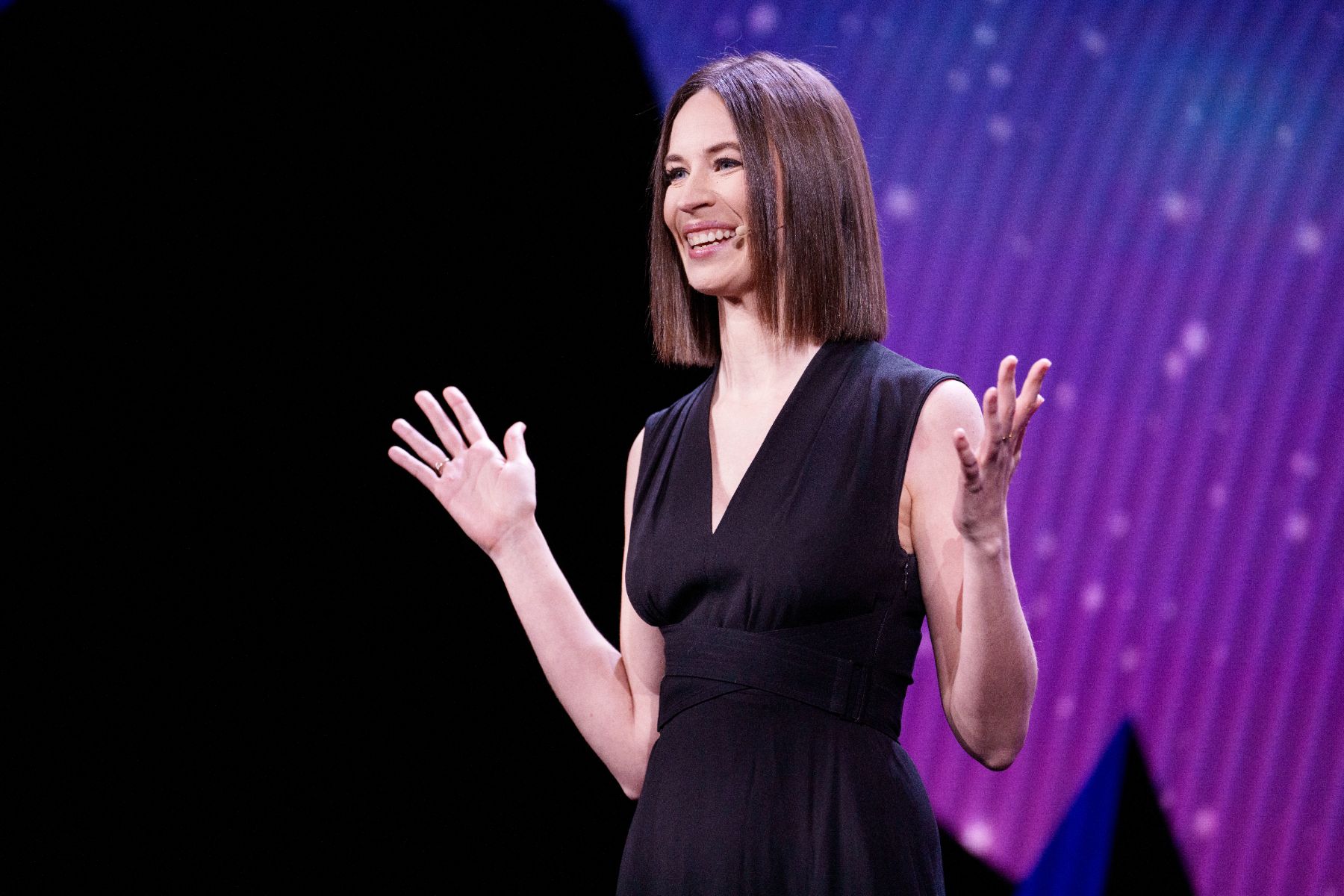
We're a partner for teams who believe in the power of in-person.
We founded For Real in 2025 after leading some of the world's most influential and commercially successful B2B events, to bring senior, hands-on experience to organisers who want to grow faster, smarter, and without losing the human touch.
We believe engagement trumps reach every time. In a world of AI slop, cookie tracking and doomscrolling, it's real human connection that sticks: the kind that impeccably designed, perfectly executed events deliver in spades. That's what we help our clients create.














Let's dig in.
The value equation for live has changed.
Attendees are slower to commit
Since the pandemic, people are placing greater importance on near-term flexibility. They're holding out for concrete signals (who's going, confirmed meetings, final agenda) before committing to the event, putting increasing pressure on organisers to be able to prove momentum before it has built. Many events are finding their ticket booking curve skewing later and later, or the reverse - no final surge at all.
Secondary costs continue to spiral
Organisers are facing mounting pushback against the total cost of event participation, outside of just the price of the ticket or sponsorship (room rates, resort fees, T&E). The baseline for exhibitor costs also reset higher post-pandemic, with some (electrical, materials handling etc) still rising in double digits annually. As a result, organisers are coming under more pressure around pricing and venue selection.
The alternatives to events got good
An event's competitors are no longer just other events, but also digital tools that address the same needs. High-quality video conferencing and streaming, asynchronous collaboration tools and an increasing bank of on-demand content mean it's finally possible to get many of the benefits of attending an event without the time and cost outlay.
Better measurement is raising the bar
Modern measurement tools are giving marketers a clearer insight than ever before into their true costs to acquire a customer and payback per channel. But measurement in the physical world is tougher. Events have lagged behind in their ability to prove ROI in comparison to digital channels, leaving them more exposed when budgets are under scrutiny and harming retention rates.
What does that mean for organisers?
If you can't prove ROI — with metrics — ticket and sponsor dollars will get harder and harder to come by.
The more layers of value an event provides for attendees and sponsors, the easier the decision to take part becomes.
Events must double down on what's unique to the IRL format — not what can be replicated or facilitated digitally.
The most successful events are shifting from content at their heart to connections, leaning into the strength of face-to-face as a medium for quickly establishing trust and rapport.
How a well-designed meetings program changes the equation
Doubles down on what IRL does best
Face-to-face conversations help people to establish trust, rapport and conversational momentum that digital channels struggle to replicate.
Grows your buyer audience
For most events, increasing the size and quality of the buyer audience is the single most critical driver of success. Meetings programs can be designed to reduce the friction and costs that can keep senior buyers from committing.
Helps attendees navigate their ecosystem
Structured meetings make solution and partner discovery efficient and intentional — often marketed as "three months of meetings in three days."
Makes ROI visible and measurable
Pre-scheduled meetings create clear proof points: confirmed conversations, fulfilment rates, satisfaction scores and commercial outcomes that are easier to defend than attendance alone. They're also easier for marketers to compare to the results they get from other channels.
Strengthens retention
Participants who find the program introduces them to exactly the right people are given a concrete reason to return. Sponsors who come away with high-quality, pre-qualified leads have a concrete reason to rebook. Over time, a well-run meetings program creates a pull dynamic, and it often becomes the most well-loved and highly rated part of the event.
It's commercially self-sustaining
Well-designed, carefully managed programs with a monetisable element can cover their costs from Year 1. On mature shows, it can grow into a meaningful share of total revenue.
Self-service networking → a managed meetings program
Many events already offer attendees the ability to search for people, send meeting requests and schedule conversations through an event app. These self-service tools can be valuable — but they place almost all responsibility for success on the attendee.
Participants have to identify who they want to meet, send requests, manage their calendars and coordinate logistics themselves. Many requests simply go unseen. As a result, only a fraction of meeting requests typically translate into actual conversations — for most events, usually less than 30%.
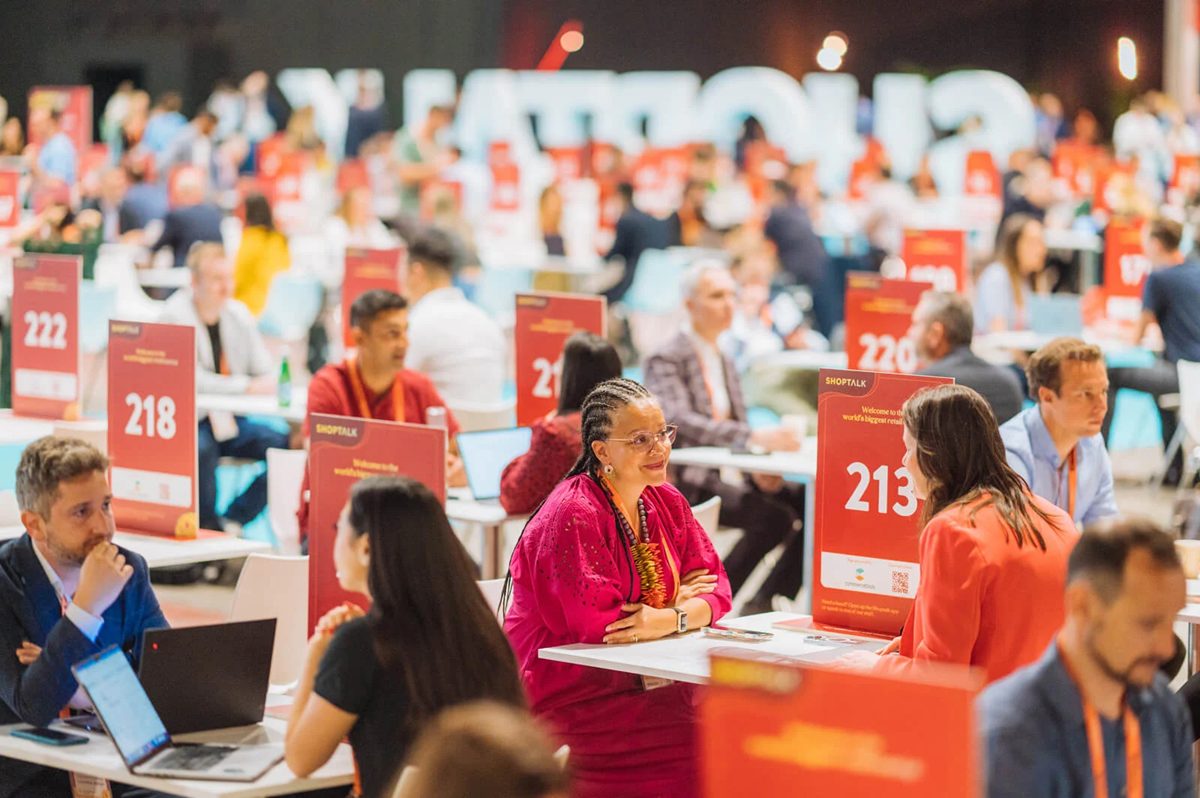
Managed meetings programs typically fall into three categories
At For Real, when we talk about meetings programs, we mean managed meetings at scale: where the organiser takes active responsibility for ensuring the right people find one another and meetings take place, not just providing the technology for attendees to arrange them.
A structured buyer-supplier meetings program connecting qualified buyers with relevant solution providers. Buyers agree to a set number of pre-arranged meetings in exchange for complimentary event access and/or travel support. Suppliers purchase meeting packages and are matched based on mutual interest.
Events looking to drive sponsor ROI, attract senior decision-makers and create a new revenue stream.
Multiple managed meetings programs running side-by-side, each serving a different audience segment: buyers meeting suppliers, startups meeting investors, mentors meeting mentees. Each track has its own participant criteria, matching logic and success measures.
Events with several distinct participant groups that would benefit from curated introductions to another specific category of participant.
A comprehensive managed meetings program facilitating relevant introductions across the entire event audience. Participants can be matched with any relevant attendee based on goals, role, seniority or business needs (as long as there is mutual interest) — with the organiser actively managing matching, scheduling and fulfilment at scale.
Large, established events where connection-making is a core part of the value proposition and every participant type is a potential source of value for many other types of participants.
Every managed meetings program comes down to three questions
This is a design problem: getting the matching logic right, and getting the balance of participants right so each audience type has enough high-quality people worth meeting. And, if you're monetising, can you make it worth paying for?
High fulfilment is never automatic. It's about which levers you can pull to make sure people actually attend the meetings you've arranged — especially critical in monetised programs. That means a combination of carrots (incentives people value), sticks (penalties for no-shows: eg. being charged for a gifted ticket, or barred from future programs), effective system design and smart behavioural nudges.
Some programs are built to generate revenue. Others simply do what every great event does: bring the right people together effectively.
What type of meetings program is right for my show?
All three program models create huge value for participants and organisers in terms of the vastly improved quality and quantity of connections they facilitate.
Hosted buyer programs do all of that too, while also creating a directly monetisable marketplace through meetings paid for by sponsors. For that reason, they're usually the commercial foundation of a wider meetings strategy, which is why we zoom into them in more detail in Section 4: Hosted buyer.
A meetings program — the For Real way
Same mechanics. A very different operating standard.
Double opt-in
Serendipity has its place at events. This isn’t it. In our meetings programs, a meeting is never scheduled unless both parties have actively told us they're interested. Participants choose exactly who they want to spend time with, can prepare in advance and arrive with a clear understanding of why the conversation matters.
Proper conversations, not demos on blast
We arm participants with all the data they need about the person sitting in front of them to have nuanced, senior-level discussions. This consistently improves buyer experience and (maybe counter-intuitively) also produces better commercial outcomes for sponsors.
Concierge-led
A dedicated team manages communication, preparation, reminders, problem-solving and last-mile execution for all participants. Participants' experience of being part of the program is structured and calm because all the complexity happens behind the scenes. Each participant is looked after throughout the process by a named Connections Specialist, who helps make the program a success for them, including at the show itself.
Quality-assurance guarantee
Sponsors don't pay for meetings that don't take place. A deliberately high standard, but one we're comfortable setting because of the rigour behind every scheduled meeting.
Designed to maximise attendance
We have an arsenal of tactics to keep no-shows low and preserve the integrity of your meetings programme.
The same high bar as the rest of your event
Rigorous expectation-setting, constant participant management and tight on-site execution mean that we operate at the high standard your the rest of your show already sets.
The For Real meeting program workflow
Program design
Taking a deeply data-driven approach to recommend pricing, segmentation, incentives, messaging, qualification criteria and more for the meetings program.
Participant recruitment & meeting sales
Recruiting participants to the meetings program (often buyers) and selling meetings to the right sponsors. [Usually owned by the organiser, with 4RE support.]
Calibration
Working with the organiser as participant recruitment and meeting sales progress to ensure the program is well-balanced and primed for success.
Onboarding & matchmaking
Gathering in-depth participant profiles, helping participants prepare and matching them with the right people.
On-site delivery
Ensuring the program runs smoothly on the day, handling customer queries and managing rescheduling in real time.
Post-show analysis
What worked, what didn't and recommendations for the following year's event.
The basic mechanics of a hosted buyer program
Hosted buyer is just one of the managed meetings models, but it’s often the one organisers start with as it's the most easily monetised. By turning curated introductions into paid meetings between buyers and sellers, it often becomes the commercial engine of a wider meetings strategy.
A selected group of high-intent buyers — the people your sponsors come to meet — are invited to take part.
Buyers commit to a small number of meetings in return for a benefit of some kind - usually a free ticket to the event, and often a stipend covering travel or hotels too.
The most common commercial model is that sponsors are charged per meeting arranged for them with a relevant buyer. There are also several other ways to monetise a hosted buyer program.
Meetings are scheduled in advance by the organiser at specific times and locations, and each buyer and sponsor receives a bespoke meeting schedule.
Meetings take place at individually numbered tables in a dedicated area (our preference) or at sponsor booths.
Sponsors leave with qualified leads and buyers with qualified vendor opportunities.
What a first-year hosted buyer program should look like
Focusing on proving value over maximising scale.
A tightly defined cohort of buyers
Recruited against clear seniority and purchasing-intent criteria.
A limited number of meetings per buyer
High-quality, pre-qualified and actively opted into by both sides — leave them wanting more.
Dedicated time blocks in the agenda
So meetings complement content rather than competing with it.
A high-touch, white-glove experience
Maximising engagement and satisfaction for every participant.
Clear success markers agreed in advance
Focused on meeting quality and commercial viability — a strong foundation to scale from year two.
The hosted buyer business case, in your hands
The model below behaves like a real commercial engine under realistic, mid-case conditions. Nearly every input is variable, so move the sliders and watch the business case respond.
Concerns organisers sometimes have
We've heard them all before.
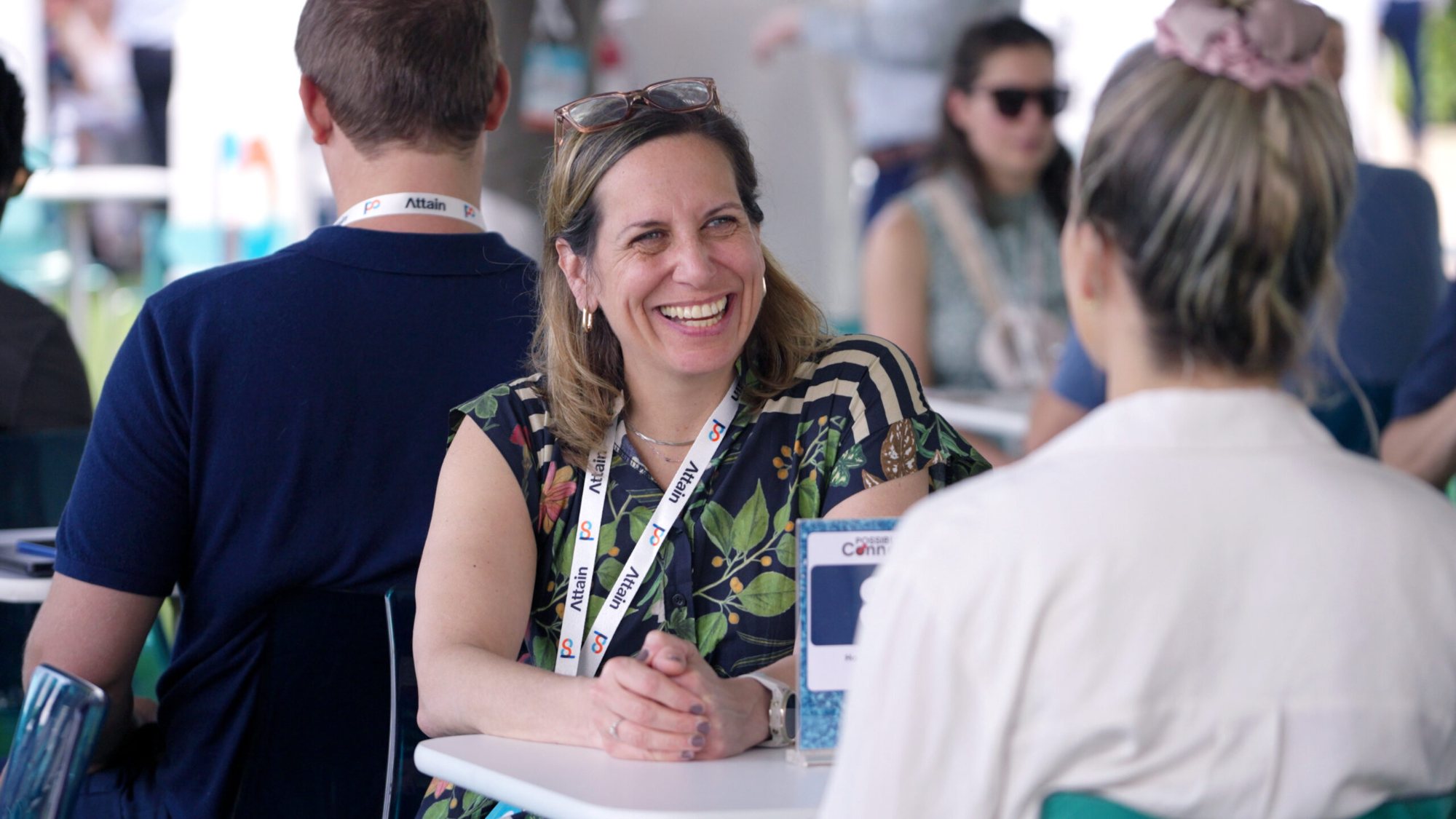
What's the gold standard?
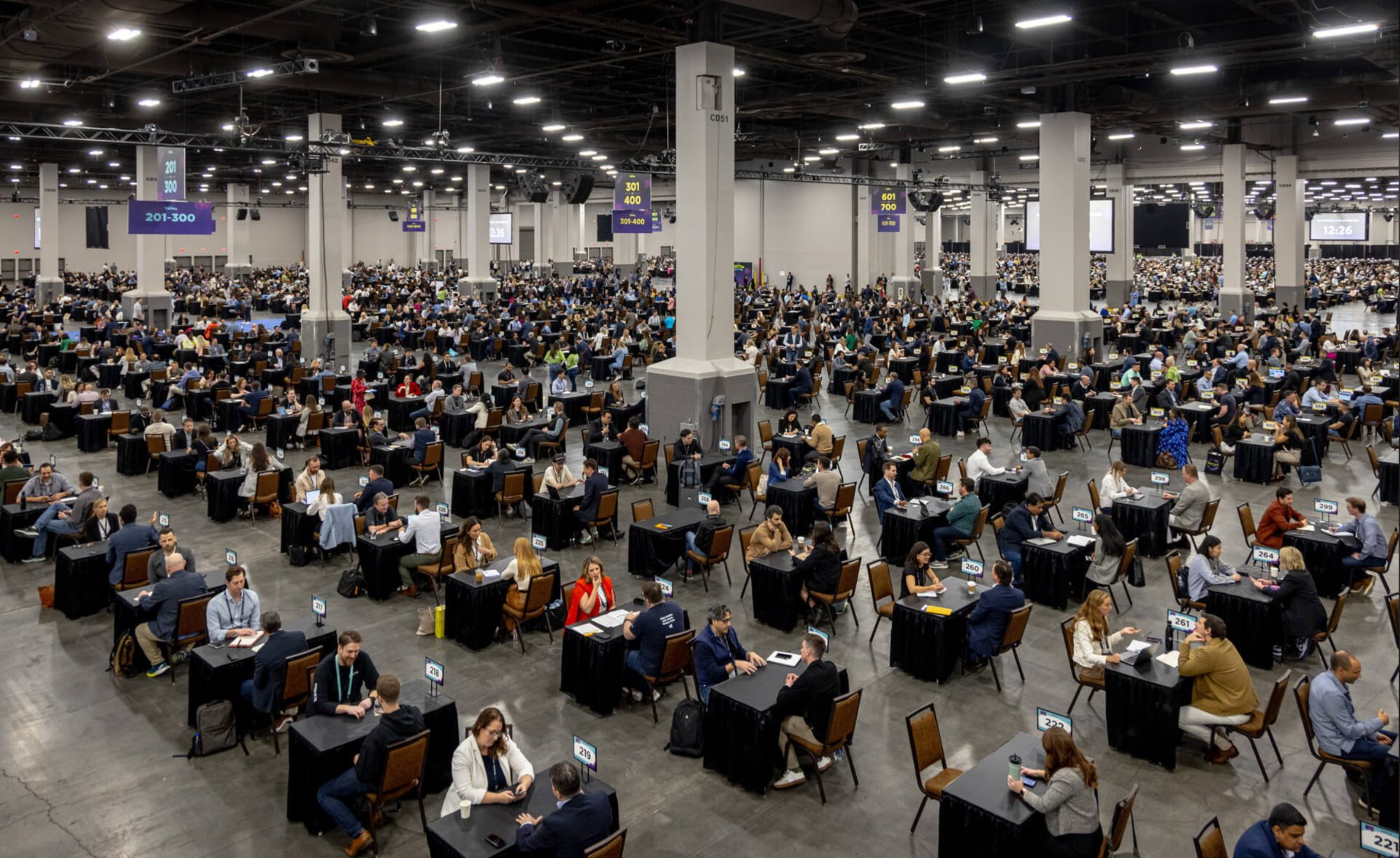
Shoptalk Spring
The world's leading retail and e-commerce event, bringing together 10,000+ senior leaders for 50,000+ curated meetings each year. With 2,000 tables hosting meetings simultaneously, Shoptalk's Meetup (an example of the full community meetings program model) is one of the biggest B2B meetings programs on earth.
Shoptalk's hosted buyer program launched in 2018 and was expanded to include all event delegates in 2023, showing how quickly a 1:1 meetings program can scale once established.
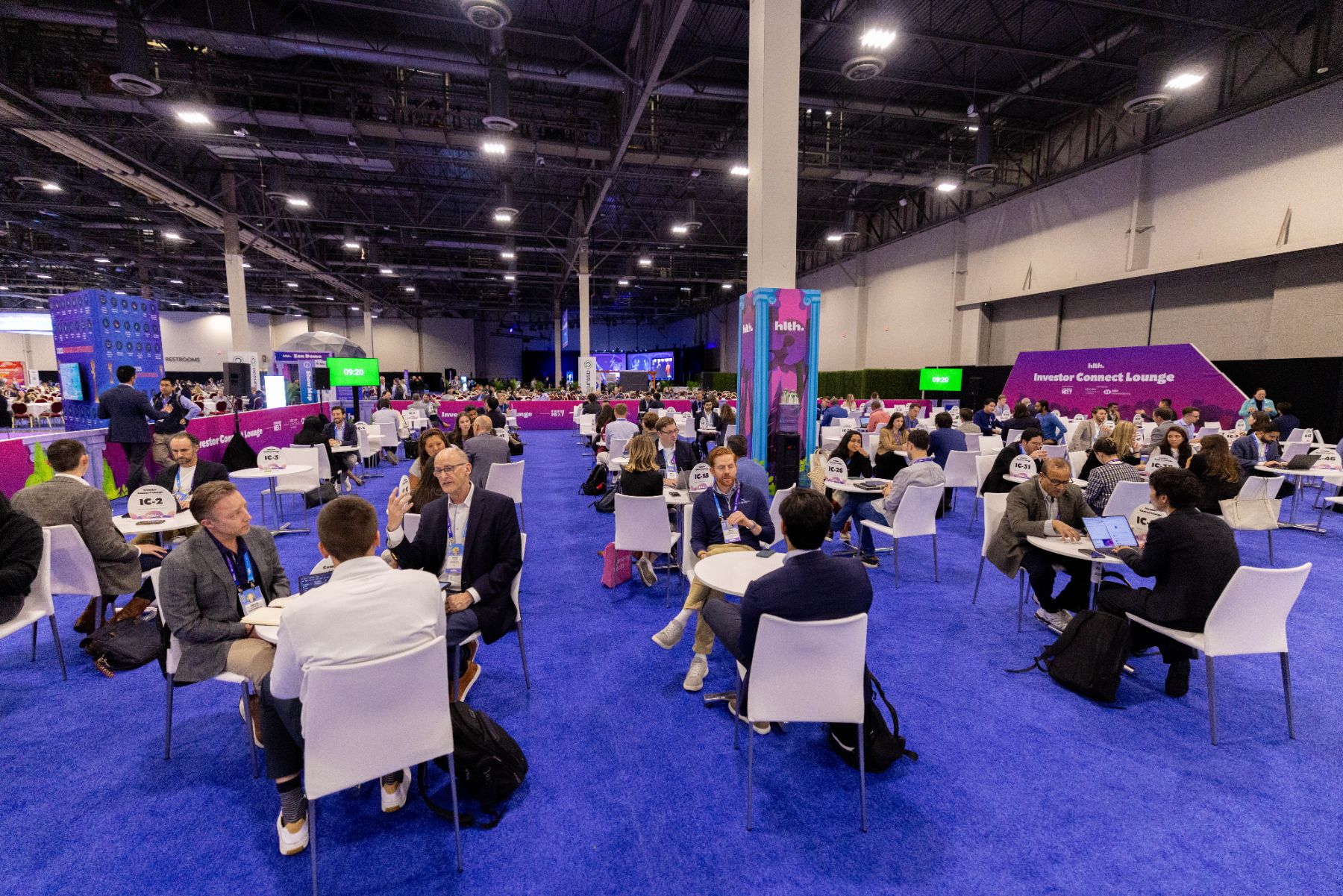
HLTH USA
The world's largest healthcare innovation event, convening 12,000+ leaders from across the ecosystem.
HLTH is an example of the multi-track meetings program model, with two simultaneous managed meeting tracks, including a hosted buyer element.
Hosted Buyer Program Launch
For Real partnered with a premier tech event to design and execute a brand-new hosted buyer program during their flagship event, which welcomes 4,000 senior execs and 100+ sponsors every year. We were involved end-to-end, from program design and tech integration to managing every participant relationship, overseeing the journey from onboarding to on-site delivery.
A functioning meetings model that runs smoothly on-site and demonstrates tangible sponsor and buyer value.
Clear data on pricing, incentives and conversion drivers to inform future scale.
A repeatable structure and workflow designed to evolve into a larger program the following year.
Headline numbers · inaugural year
↑ 9% over target
Customer satisfaction
of scheduled meetings took place (vs ~70% industry average)
of participants rated their meetings 'Valuable', 'Highly Valuable' or 'Extremely Valuable'
average match score
of participants 'Extremely Likely' or 'Highly Likely' to participate again next year
The meetings program was by far the most meaningful opportunity at the event. It was the best product you have!
I'll be following up with many of the organizations I connected with, and based on initial impressions, I expect we'll end up partnering with several of them.
I truly thought the meetings program was a wonderfully run program — I met great people and some terrific vendors that I will definitely include in our planning.
Who you'll be working with
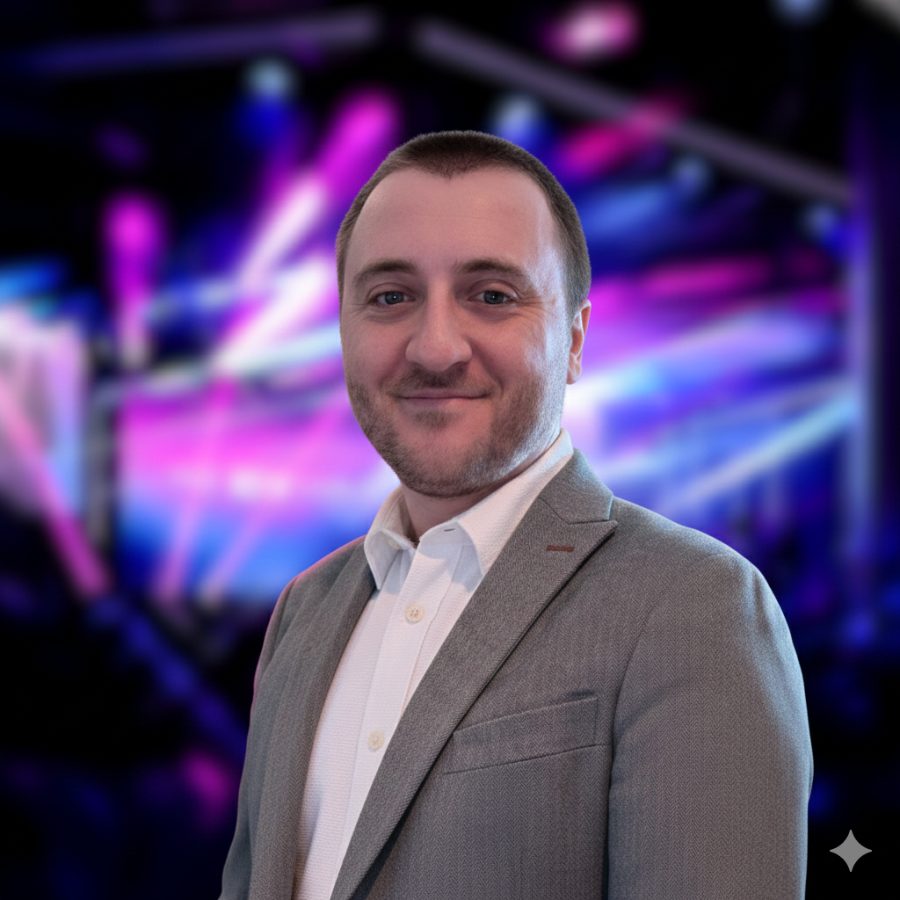
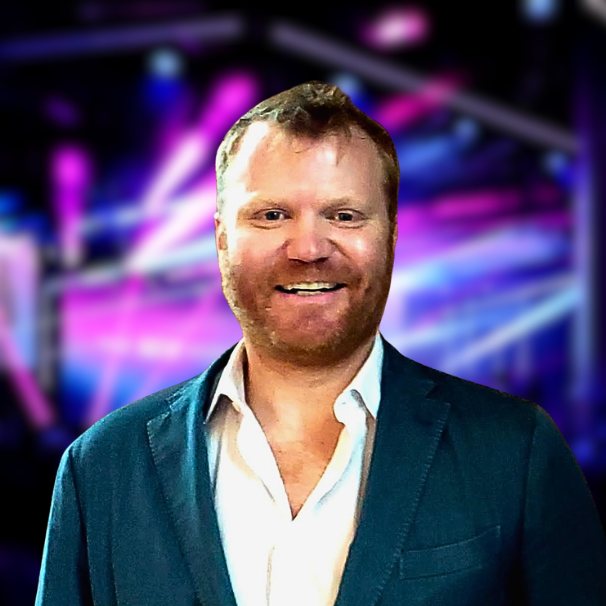
Leaders who have built some of the biggest and most successful meetings programs in the events industry.



Let's get started.
We approach every collaboration with focus, care and a commitment to creating beautiful, brilliant things together.
We take on a limited number of projects each year so we can stay close to the work and deliver it properly. If this feels like the right fit, we'd love to build it with you.